Apply for a Free Government iPhone or Free Phone in 2026
Millions of Americans qualify for a free government phone through the federal Lifeline program. Some providers even offer free government iPhones as refurbished devices. Check if you qualify, compare providers in your state, and apply today.
Independent, fact-checked editorial resource helping Americans understand the federal Lifeline program since 2024.
Independent resource. We help you understand and apply through official channels.
What Is a Free Government iPhone?
A free government iPhone refers to a refurbished Apple iPhone provided at no cost through the federal Lifeline program, which subsidizes phone service for qualifying low-income households. Free government iPhones are not guaranteed by any program. When available, they are typically older models such as the iPhone 11 or iPhone 12, offered as certified refurbished units by participating Lifeline providers. Most free government phone programs provide Android smartphones as the standard device.
Free iPhones Are Possible, Not Guaranteed
Some Lifeline providers occasionally offer refurbished iPhones like the iPhone 11 or iPhone 12 as a free government iPhone option. However, most programs distribute Android smartphones as the default device. Whether you receive a free iPhone depends on your provider, state, and current inventory.
This Is an Independent Informational Site
ApplyFreePhone is not a government agency, phone provider, or application portal. We provide accurate, unbiased information to help you understand free government smartphone programs and navigate the application process on your own.
Programs Differ by State and Provider
While the federal Lifeline program sets baseline eligibility, individual states and providers have different rules, available devices, and application processes. The availability of a free government iPhone varies significantly by location and provider stock levels.
Understanding the Lifeline Program
The Lifeline program is a federal initiative managed by the FCC (Federal Communications Commission) and administered by USAC (Universal Service Administrative Company). It has provided telecommunications assistance to low-income Americans since 1985.
When people search for a "free iPhone" or "free government iPhone," they are typically looking for information about the Lifeline program. The program was originally created to ensure low-income households could access basic telephone service and was expanded to cover wireless smartphones as technology evolved. It is funded through the Universal Service Fund, supported by contributions from telecommunications companies, not directly by taxes.
The reality is that most free government phone programs provide Android smartphones as the standard device. However, some providers do offer free iPhones. These are typically older models (iPhone 11, iPhone 12) that are certified refurbished. Whether you can get a free government iPhone depends on which providers serve your state, their current device inventory, and whether they have iPhone stock available at the time you apply.
It is important to understand that no program guarantees a specific iPhone model. Any website promising a "Free iPhone 15 from the government" is likely misleading or fraudulent. The honest answer is that a free government iPhone is sometimes available, but an Android smartphone is the much more common and reliable option.
Why iPhone Demand in Government Programs Is So High
iPhone demand in government phone programs is driven by brand recognition, perceived quality, and the familiarity many consumers already have with Apple products. Many applicants specifically search for "free iphone government phone" because they associate iPhones with durability, long software update cycles, and ease of use. While these perceptions are valid, the supply of iPhones through Lifeline is limited because Apple products cost more for providers to source than budget Android devices.
The gap between demand and supply means that free government iPhones tend to go out of stock quickly when they are available. If receiving a free iPhone is important to you, it helps to apply early, check with multiple providers, and be prepared to accept an Android phone as a practical alternative.
How iPhone Offers Compare With Android Options
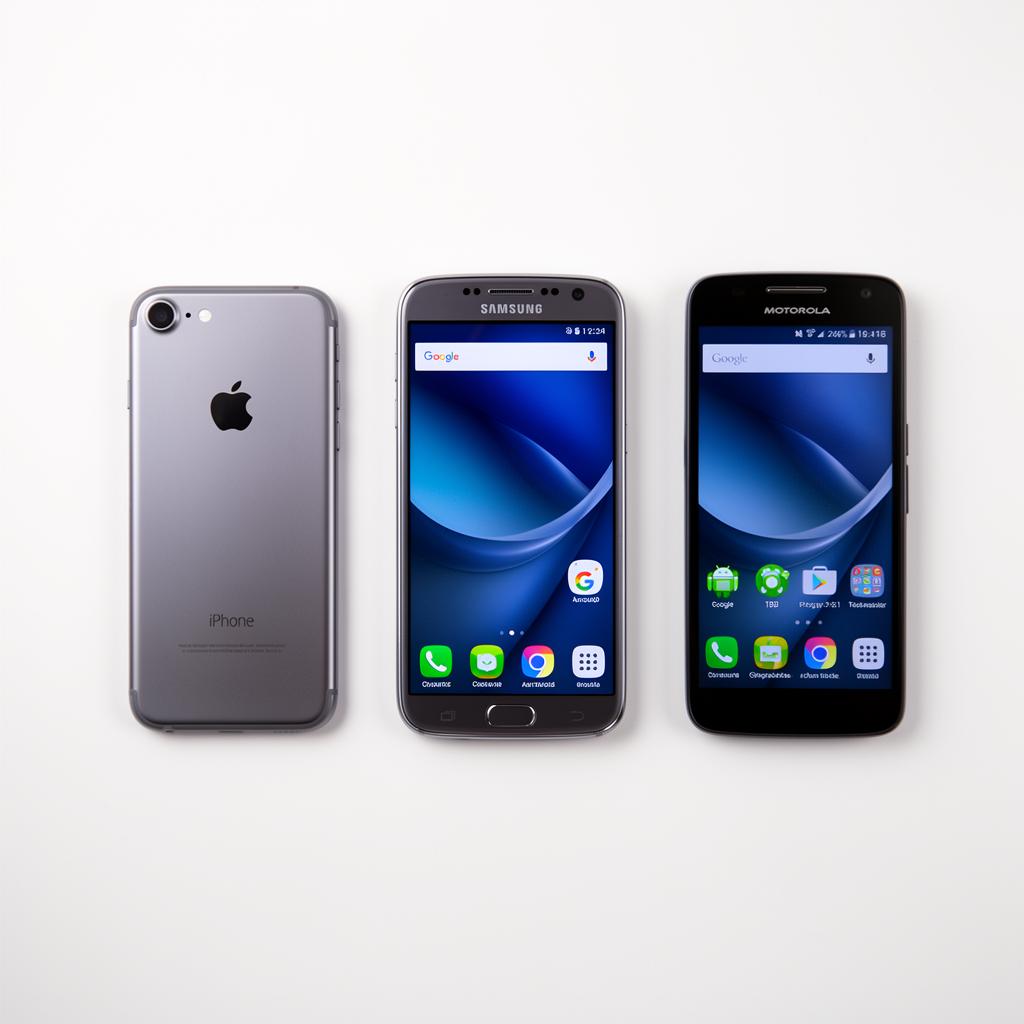
Free government smartphones fall into three broad categories: iPhones, mid-range Android phones, and budget Android phones. iPhones typically offer longer software support and a premium feel, but the models available through Lifeline are older refurbished units. Mid-range Android phones from brands like Samsung and Motorola offer larger screens, expandable storage, and newer hardware. Budget Android phones are the most widely available and still handle calling, texting, browsing, and apps well.
If you are flexible about which device you receive, you will have a much faster and smoother experience applying for a free government phone. For a full breakdown, visit our iPhone vs Android comparison or explore our guides on free government smartphones and free Android phones.
The National Verifier: How Eligibility Is Confirmed
The National Verifier is the official eligibility determination system used by the Lifeline program. Operated by USAC, it verifies applicant eligibility either electronically (by cross-referencing government databases) or through manual document review. Whether you apply through a provider or directly at checklifeline.org, the National Verifier is the system that confirms your qualification. Always verify that your provider is listed on the USAC provider directory and that no fees are charged at any point during the application. Visit our scam alerts page for detailed guidance on recognizing and avoiding fraud.
Who Qualifies for a Free Government iPhone or Smartphone?
There are two main ways to qualify for a free government smartphone or free iPhone through the Lifeline program. You generally need to meet one of these criteria, but specific thresholds and qualifying programs can vary depending on your state.
Income-Based Eligibility
If your household income is at or below 135% of the Federal Poverty Guidelines, you may qualify. For a single-person household in the 48 contiguous states and Washington, D.C. in 2026, this is $21,546 per year. The threshold increases for larger households. Qualifying by income makes you eligible for a free government smartphone or potentially a free iPhone, depending on provider availability.
Program-Based Eligibility
If you or someone in your household participates in certain federal assistance programs, you may automatically qualify. Federal qualifying programs include Medicaid, SNAP, SSI, Federal Public Housing Assistance, and the Veterans and Survivors Pension Benefit. Additional qualifying programs apply on Tribal lands. Official verification is still required.
Required Documents: You will typically need a valid government-issued ID, proof of address, and documentation proving income or program enrollment. Requirements may vary by state and provider. See our application guide for a complete document checklist.
Quick Eligibility Check
Answer these basic questions to get a general idea of whether you might qualify for a free government iPhone or smartphone. This is not an official eligibility determination.
Is your household income at or below 135% of the Federal Poverty Guidelines?
Do you or someone in your household participate in Medicaid, SNAP, SSI, Federal Public Housing Assistance, or the Veterans and Survivors Pension Benefit?
If you live on Tribal lands, do you participate in an eligible Tribal Lifeline program?
Are you a veteran receiving a Veterans Pension or Survivors Pension?
If you answered yes to any of these, you may qualify for a free government phone. Visit our full eligibility page for details including income tables and the complete list of qualifying programs.
Free iPhone, Smartphone, and Android Phone Options
The device you receive through a free government phone program depends on your provider, state, and current availability. Here is a realistic look at the three main categories of devices offered through the Lifeline program.
Free Government iPhones
Some providers occasionally offer refurbished iPhones like the iPhone 11 or iPhone 12 as part of the Lifeline program. A free government iPhone is not guaranteed, and availability depends on provider stock. Newer models like the iPhone 14 or 15 are extremely rare. If getting a free iPhone is your goal, check with multiple providers in your state before applying.
Explore free iPhone optionsFree Government Smartphones
The majority of free government smartphone programs provide Android-based devices with touchscreen displays, internet access, app support, and cameras. These free smartphones are functional everyday devices. Quality ranges from budget to mid-range depending on your provider and the current models in their inventory.
Learn about free smartphonesFree Android Phones
Free government Android phones from brands like Samsung, Motorola, and Alcatel are the most common devices offered through Lifeline. They run on the Android operating system and support Google Play Store apps. Android phones are the most reliable option if you need a free phone quickly without waiting for iPhone stock.
Explore free Android optionsNot sure which device type is best? Compare all your options.
What to Expect Before You Apply
Applying for a free government phone is straightforward, but knowing what to expect can save you time and help you avoid common pitfalls.
Gather Documents First
Have your ID, proof of address, and eligibility documentation ready before you start. Incomplete applications are the most common cause of delays. Our application guide lists exactly what you need.
Check Your State
Providers and device availability vary by state. What is available in California may not be available in Ohio. Check your state page for local provider details and device expectations.
Be Flexible on Devices
If you specifically want a free government iPhone, check provider inventory first. But be prepared that an Android smartphone is more likely and just as capable for everyday tasks.
Verify Provider Legitimacy
Only apply through verified Lifeline providers or the National Verifier at checklifeline.org. Never pay fees, and never share personal information with unverified websites.
Why Free iPhone and Smartphone Offers Differ by State and Provider
One of the most common sources of confusion about free government iPhones is why offers vary so much. A provider in Texas might offer a refurbished iPhone 12, while the same provider in Florida only has Android phones available. Understanding why this happens can help you set realistic expectations.
Providers purchase phones at wholesale prices and distribute them as part of their Lifeline service. The phones they offer depend on what they can source at a sustainable cost. iPhones are more expensive to acquire even as refurbished units, so providers tend to stock them in smaller quantities. When iPhone inventory runs out, it may take weeks or months before new stock arrives.
State-level regulations also play a role. Some states have additional qualifying programs or supplemental benefits that affect how providers operate. The administrative agency in each state may impose different reporting or compliance requirements that influence provider offerings.
The bottom line: if you want a free government iPhone, check with multiple Lifeline providers in your state and be ready to act quickly when iPhone stock appears. If timing matters more than the specific device, an Android smartphone will almost always be available immediately.
Common Mistakes When Looking for Free iPhone Offers
People searching for a free government iPhone often make avoidable mistakes that cost them time or put their personal information at risk. Here are the most common ones:
- Believing guaranteed iPhone promises. No legitimate program guarantees a specific iPhone model. Websites making this claim are misleading or fraudulent. See our scam alerts for examples.
- Paying fees to apply. The Lifeline program never charges application, processing, or shipping fees. Any request for payment is a scam.
- Applying through unverified websites. Always confirm that the provider is listed on the USAC directory before submitting personal information.
- Waiting indefinitely for iPhone stock. If you need phone service now, accept an available Android phone. You can often switch devices or providers later.
- Ignoring state-specific details. Eligibility rules, providers, and device availability differ by state. Check your state page for accurate local information.
- Skipping the provider comparison. Not all providers offer the same plans, devices, or coverage quality. Take time to compare providers before committing.
How to Apply for a Free Government Phone
The application process for a free government phone is straightforward but requires documentation. Follow these four steps to apply through the Lifeline program.
Check Eligibility
Verify that you meet income or program-based requirements for the Lifeline program in your state. Use our eligibility guide to check before applying.
Gather Documents
Collect proof of identity, address, and eligibility. You will need a government-issued ID, proof of residence, and documentation of income or program enrollment.
Choose a Provider
Select a participating Lifeline provider that serves your state. If you want a free iPhone, check which providers currently have iPhones in stock by calling their support lines.
Submit Application
Apply through the provider's website or through the National Verifier at checklifeline.org. Most online applications take less than 15 minutes.
Find Free Government Phone Programs by State
Lifeline operates in all 50 states, but provider availability and device stock vary by location. Select your state for details about eligibility, authorized providers, and what devices are available in your area.
Top Lifeline Providers for Free Government Phones
Several wireless providers participate in the Lifeline program across the country. Some providers offer free government iPhones while others primarily distribute Android smartphones. Provider availability varies by state, so always check which providers serve your area before applying.
Beware of Free iPhone and Government Phone Scams
Scammers frequently target people looking for free government iPhones and smartphones. These scams can lead to stolen personal information, financial loss, and identity theft. Know these red flags so you can protect yourself.
Fake Shipping Fees
Legitimate programs never charge you for shipping. If someone asks for a shipping or handling fee to send your free phone, it is a scam.
Guaranteed Free iPhone Promises
No program guarantees a specific free iPhone model. Websites advertising 'Free iPhone 15 from the Government' are misleading or fraudulent.
Fake Government Logos
Scam websites often display fake government seals or logos to appear official. Always verify that government URLs end in .gov.
Urgency Countdowns
'Only 3 spots left!' or 'Apply in the next 10 minutes!' are pressure tactics. Real government programs do not use countdown timers.
Social Media Ad Scams
Be cautious of social media ads promising free government iPhones. These often redirect to data harvesting sites or paid subscription traps.
Personal Info Theft
Never share your Social Security number, bank details, or ID photos with unverified websites or callers claiming to offer free phones.
Suspicious Text Messages
Unsolicited texts claiming you have been pre-approved for a free government iPhone are almost always scams. Legitimate programs do not send pre-approval texts.
Fake Provider Impersonation
Scammers create websites that look like real Lifeline providers. Always type the provider URL directly or use links from our verified provider page.
Application Fee Requests
The Lifeline program never charges application fees, processing fees, or activation fees. Any request for payment during the application process is a scam.
How to Verify a Legitimate Provider Before Applying
The provider is listed on the FCC or USAC official provider directory
No application fees or processing charges are required at any point
The website clearly identifies itself as a private company, not a government agency
Contact information and customer support phone numbers are visible and real
They use the National Verifier for eligibility checks
No specific iPhone model is guaranteed before enrollment
Free Government iPhone and Phone Program FAQ
Quick answers to the most common questions about free iPhones, free government smartphones, and the Lifeline program.
Editorial Contact
Have a question about our content? Want to suggest a topic or report outdated information? Our editorial team reviews all correspondence and responds within 3 business days.
hello@applyfreephone.comCorrections and Updates
We are committed to accuracy. If you find an error, outdated information, or a broken link, please let us know. We publish corrections promptly and transparently.
About This Guide
This guide is published by ApplyFreePhone, an independent informational resource dedicated to helping Americans understand free government iPhone and smartphone programs. We are not a government agency and do not process applications or distribute phones. Our content is researched, fact-checked, and regularly updated by our editorial team.
Written by
The ApplyFreePhone editorial team researches and writes about federal and state government phone assistance programs. Our content is based on official sources including the FCC, USAC, and state regulatory agencies. We focus on clear, practical guidance to help readers understand eligibility, application processes, and device options.
Reviewed for accuracy
ApplyFreePhone Editorial Board
All published content is reviewed for factual accuracy by our editorial board before publication. We cross-reference claims against official government sources and update content when program details change.
Ready to Apply for a Free Government Phone?
Check your eligibility, find providers in your state, and learn how to apply for a free government phone today. Whether you receive an iPhone or Android smartphone, the Lifeline program can help you stay connected.